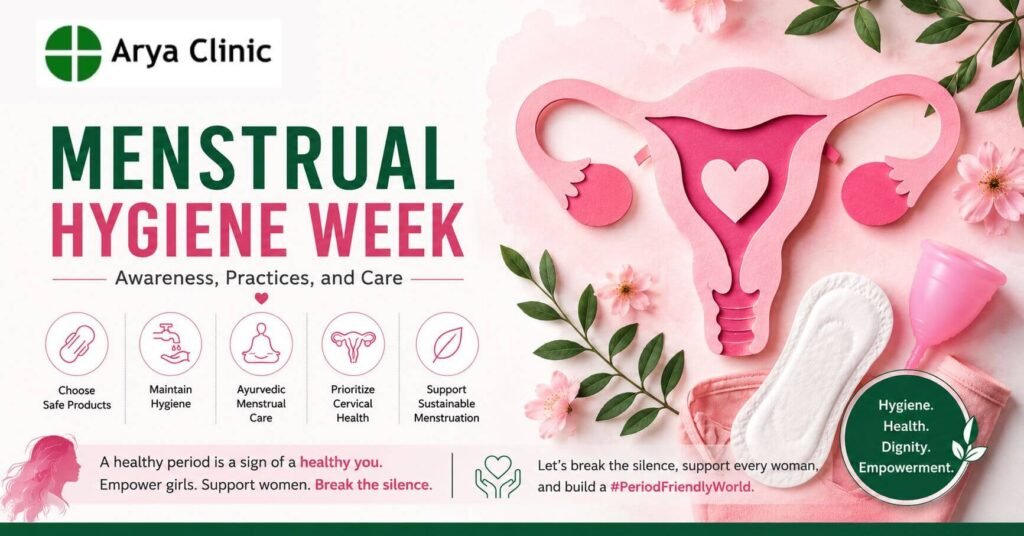
Menstrual Hygiene Week: Awareness, Practices, and Care
Menstrual Hygiene Week is a global awareness initiative observed around May 28 (Menstrual Hygiene Day). The week aims to promote safe menstrual practices, break taboos, and improve access to hygiene resources for women and girls. It is a crucial time for advocacy and education, encouraging healthy, dignified, and stigma-free approaches to menstruation.
Why May 28?
- 28 days is the average length of the menstrual cycle.
- 5 days is the average duration of menstruation.
The date 28/5 represents menstrual health awareness, anchoring both Menstrual Hygiene Day and the broader Menstrual Hygiene Week.
This symbolism emphasises the importance of regular cycles and healthy menstruation, serving as a global reminder to support and prioritise menstrual health.
Purpose of Menstrual Hygiene Week
The week focuses on increasing awareness and encouraging action around menstrual health. Its key objectives include:
- Breaking taboos and stigma surrounding menstruation
- Promoting hygiene practices to safeguard health and dignity
- Improving access to sanitary products, clean toilets, and safe water
- Educating girls and communities about menstrual health
Why It Matters
- Millions of girls and women worldwide lack access to proper menstrual hygiene facilities and products.
- Lack of hygiene and awareness can result in health risks, increased school absenteeism, and social stigma.
- In India and similar contexts, awareness campaigns are instrumental in challenging myths and improving access to healthcare.
1. Understanding Your Period
- The menstrual cycle is a natural monthly rhythm for women and girls.
- A healthy cycle reflects hormonal balance and overall well-being.
- Seek medical advice if your cycles are very irregular, extremely painful, or unusually heavy.
2. Hygiene Essentials During Periods
- Change pads, cloth, or menstrual cups regularly to maintain hygiene.
- Wash the genital area with clean water, avoiding harsh soaps.
- Keep the area dry to help prevent infections.
- Dispose of pads and other materials safely and hygienically.
3. Ayurvedic Menstrual Care (Rajaswala Paricharya)
- Rest adequately and avoid heavy physical exertion during menstruation.
- Prefer warm, light, and freshly cooked meals.
- Maintain mental calmness; avoid stress and emotional strain.
- Keep warm and avoid cold foods, cold water, and exposure to cold environments
4. Common Period Problems
- Painful periods (dysmenorrhoea), often associated with Vata imbalance.
- PMS symptoms such as mood changes, irritability, and bloating.
- Heavy bleeding, which may require medical evaluation.
- If symptoms interfere with daily life, consult a healthcare professional.
5. Preventing Infections
- Poor hygiene can cause itching, discharge, urinary tract infections (UTIs), or vaginal infections.
- Wear breathable cotton underwear.
- Avoid using scented products in the genital area.
- Seek medical help if you notice unusual discharge, foul smell, or persistent itching.
6. Cervical Health Matters
- Good menstrual hygiene supports long-term reproductive health.
- Screening tests such as LBC-PAP, HPV testing, and colposcopy help detect early changes and prevent disease.
- Women above 30 years should undergo regular screenings as advised by their healthcare provider.
7. Sustainable Menstruation
- Consider eco-friendly options like menstrual cups, biodegradable sanitary pads, or reusable cloth pads.
- Follow proper cleaning and storage guidelines for reusable products.
- Dispose of sanitary waste responsibly to minimise environmental impact.
8. Emotional Well-Being
- Mood changes are common during periods due to hormonal shifts.
- Gentle breathing exercises, warm baths, and adequate rest can help manage discomfort.
- Support from family and the workplace can make a significant difference in emotional well-being.
9. When to Seek Medical Help
- Very heavy bleeding during your period
- Severe pain not relieved by rest or common remedies
- Foul-smelling vaginal discharge
- Missed periods for several consecutive months
- Bleeding between periods
Key Message-
A Healthy Period Is a Sign of a Healthy You
Periods are natural. Hygiene is essential. Dignity is non‑negotiable.
Empower girls. Support women. Break the silence.
Choose safe products • Maintain hygiene • Prioritize screening
Ayurvedic menstrual care • Cervical health awareness
Let’s break the silence, support every woman, and build a #PeriodFriendlyWorld.